· Barossa Wine Tours R Us · Planning Your Visit · 8 min read
Best Time to Visit the Barossa Valley: A Month-by-Month Local Guide
Every season in the Barossa Valley offers something different. A local tour guide breaks down what to expect month by month — from vintage harvest to winter fireside tastings.
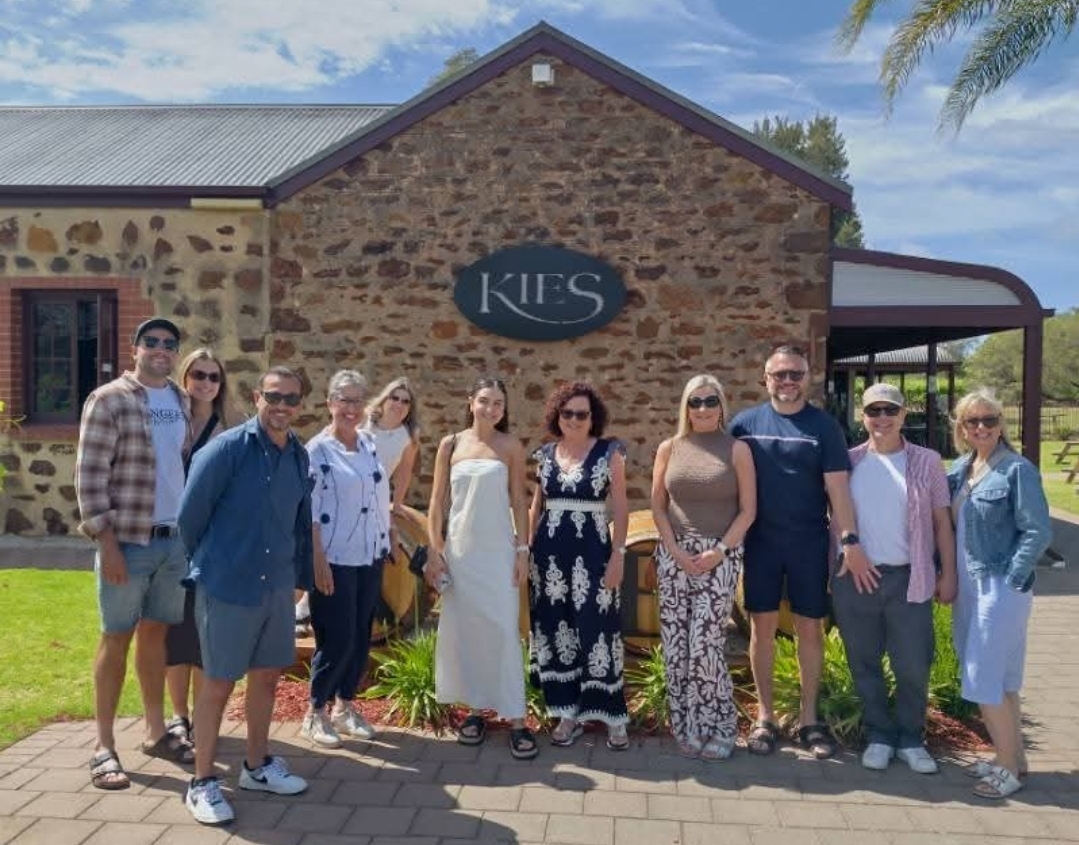
People always ask us: “When’s the best time to visit the Barossa?” Our answer: there isn’t a bad time. Every season brings something different, and we run tours year-round.
But different months suit different people. Here’s our honest, month-by-month breakdown from people who live here and tour the valley every day.
The Quick Answer
| Season | Best For | Weather | Crowds |
|---|---|---|---|
| Autumn (Mar-May) | Photography, harvest energy, perfect weather | 15-25°C, mild and clear | Moderate-busy |
| Spring (Sep-Nov) | Wildflowers, events, comfortable touring | 15-25°C, occasional rain | Moderate |
| Winter (Jun-Aug) | Fireside tastings, no crowds, personal attention | 5-15°C, cool and sometimes rainy | Quiet |
| Summer (Dec-Feb) | Long days, vineyard beauty, outdoor dining | 25-40°C+, hot and dry | Busy |
Overall best months: March, April, October, and November offer the most comfortable weather and the best balance of activity and accessibility.
Month-by-Month Guide
January
Weather: Hot. Expect 30-40°C days with intense sun.
What’s happening: The vines are loaded with ripening grapes. The valley is green and lush, buzzing with pre-harvest energy. Winemakers are nervously watching the weather and testing sugar levels in the fruit.
Wine touring: Air-conditioned cellar doors are a welcome refuge. Start early in the day. Excellent whites and rosés are perfect for the heat. Long, warm evenings are beautiful for outdoor dining.
Crowd level: Moderate to busy (school holidays until late January).
Local tip: Visit in the second half of January after school holidays end. The valley quietens down but the weather is still warm and the fruit is gorgeous on the vine.
February
Weather: Still hot (28-38°C), but starting to cool slightly by late February.
What’s happening: Vintage begins. This is the most exciting time in the wine calendar. Grapes are being picked, crushers are running, and the air smells of fermenting juice. Winemakers are exhausted and exhilarated.
Wine touring: You might see harvest in action — tractors loaded with grape bins, cellar doors slightly quieter because the winemakers are busy in the winery. Some smaller producers may have reduced cellar door hours during vintage.
Crowd level: Moderate. Some cellar doors are less staffed during vintage.
Local tip: Ask cellar door staff if you can see the crush pad or fermentation tanks. During vintage, there’s often fascinating activity happening behind the scenes.
March
Weather: The heat starts to break. Days are warm (22-30°C) but evenings are cooling. Beautiful light.
What’s happening: Harvest is in full swing for reds. The valley is alive with activity. Autumn colours start appearing on early-ripening varieties. Barossa Vintage Festival runs in odd-numbered years (a week-long celebration of food, wine, and culture).
Wine touring: Possibly the best month to visit. Weather is comfortable, the valley is energised by harvest, and autumn colours are beginning. Wineries are excited about their new vintage.
Crowd level: Moderate to busy, especially during Vintage Festival years.
Local tip: March is when the light in the Barossa is at its best for photography. Golden hour lasts longer and the low-angle sun catches the vines beautifully.
April
Weather: Genuinely perfect. 18-25°C days, cool nights, clear skies.
What’s happening: Late-harvest wines are being picked. The vineyards are turning gold, amber, and red. The valley settles into a quieter, more reflective mood after the intensity of vintage.
Wine touring: Excellent. Comfortable temperatures, stunning autumn colours, and winemakers are starting to relax after harvest. Cellar doors are welcoming and unhurried.
Crowd level: Moderate. Less busy than March.
Local tip: Drive the back roads between Angaston and Eden Valley in April. The autumn colours through the vineyards and scattered eucalyptus trees are breathtaking.
May
Weather: Cool and pleasant. 12-20°C. Some rain possible.
What’s happening: The last of the autumn colour. Vines are starting to go dormant. The Barossa takes a collective breath after vintage. New vintage wines are beginning their maturation in barrel.
Wine touring: Quiet cellar doors mean more personal attention. Start to see winter menus appearing in winery restaurants. Great time for red wine lovers — a cool day and a glass of Barossa Shiraz is hard to beat.
Crowd level: Quiet.
Local tip: May is an excellent time to visit if you want unhurried, personal cellar door experiences. Winemakers have time to chat and might open a special bottle they wouldn’t bother with during busy periods.
June
Weather: Winter arrives. 8-15°C days, cold nights (sometimes near freezing).
What’s happening: Vines are bare. The valley has a stark, beautiful quality. Pruning begins. Winery restaurants shift to hearty winter menus with slow-cooked dishes and warming reds.
Wine touring: Winter wine touring is underrated. Cellar doors with fireplaces become incredibly atmospheric. Barrel rooms are cosy. Fortified wines — ports, muscats, topaques — are perfect for cold weather.
Crowd level: Very quiet.
Local tip: Ask for fortified wine tastings. The Barossa has a long tradition of fortified production, and tasting a 20-year-old tawny by a fire is one of the great Barossa experiences.
July
Weather: The coldest month. 6-12°C days, frosty mornings.
What’s happening: Deep winter. Pruning continues. The valley is quiet and peaceful. Some producers release mid-year wine drops.
Wine touring: The quietest month. You’ll often have cellar doors almost to yourself. Fantastic for anyone who values a personal, intimate tasting experience. Winery restaurants with fireplaces are essential.
Crowd level: Very quiet (school holidays mid-July bring a small bump).
Local tip: Winter is the best time to book a private or small-group tour. Guides have more flexibility, and winemakers are more available for one-on-one conversations.
August
Weather: Still cool (8-15°C) but starting to warm by late August. Rain is common.
What’s happening: Bud burst is approaching. Winemakers are blending and bottling the previous vintage. The first signs of spring appear — almond blossoms on the hillsides.
Wine touring: Excellent value period. Cellar doors are quiet, the countryside is green from winter rain, and you get fantastic personal attention. Some producers release new vintages around this time.
Crowd level: Quiet.
Local tip: August is when many wineries release their new vintage wines. You might be among the first to taste them.
September
Weather: Spring arrives. 12-20°C, mix of sunny days and spring showers.
What’s happening: Bud burst — tiny green shoots appear on the vines. Wildflowers bloom in the hills. Barossa Gourmet Weekend (usually late September) is one of the region’s biggest events.
Wine touring: Beautiful time to visit. The valley is fresh and green. Gourmet Weekend is a highlight — wineries open their doors for special food and wine events. Book ahead for this period.
Crowd level: Moderate, busy during Gourmet Weekend.
Local tip: If Gourmet Weekend isn’t your thing (it can be crowded and pricey), visit the week before or after for the same beautiful weather without the crowds.
October
Weather: Warm and pleasant. 15-25°C. Occasional rain.
What’s happening: The vines are in full leaf. The valley is lush and green. Flowering begins (tiny grape flowers that will become next year’s fruit). Long, sunny days.
Wine touring: One of the best months. Comfortable weather, beautiful scenery, moderate crowds. Cellar doors are well-staffed and energised for the spring/summer season.
Crowd level: Moderate.
Local tip: October is ideal for combining wine touring with walking or cycling. The Barossa Trail (walking/cycling path) runs through the valley and passes several cellar doors.
November
Weather: Warm. 20-28°C. Summer is approaching.
What’s happening: Vines are in full canopy. The grapes are setting (tiny green berries forming). The valley is busy preparing for the summer tourism season.
Wine touring: Excellent. Warm enough for outdoor tastings but not yet at summer’s intensity. Cellar doors are fully staffed. Great time for rosé and lighter wines alongside the reds.
Crowd level: Moderate.
Local tip: November is the last comfortable month before summer heat arrives. If you prefer warm-but-not-hot conditions, this is your window.
December
Weather: Hot. 25-35°C, sometimes hotter.
What’s happening: Grapes are growing rapidly. Véraison (when grapes change colour) happens on early varieties. Christmas markets and festive events appear around the Barossa towns.
Wine touring: Hot but beautiful. The long days give you more time, and the vines heavy with unripe fruit are stunning. Air-conditioned cellar doors are welcome retreats. Christmas events add a festive dimension.
Crowd level: Busy (especially mid-December through school holidays).
Local tip: If visiting over Christmas, book well ahead. Restaurants and premium experiences fill up quickly. The Tanunda Christmas Market is worth visiting.
Frequently Asked Questions
Is the Barossa Valley worth visiting in winter?
Absolutely. Winter is actually one of our favourite times. The cellar doors are quiet (more personal attention), the restaurants have roaring fires and winter menus, and the valley has a peaceful, atmospheric quality. If you don’t mind cool weather, winter offers the most intimate wine touring experience.
What is the best month to visit the Barossa Valley?
April and October consistently offer the best combination of comfortable weather, beautiful scenery, and manageable crowds. March is excellent during Vintage Festival years. November is a great warm-weather option.
Does the Barossa Valley get very hot in summer?
Yes. January and February can see temperatures above 40°C. This doesn’t stop wine touring — cellar doors are air-conditioned — but it’s worth starting early, wearing sun protection, and drinking plenty of water.
When is harvest season in the Barossa Valley?
Vintage typically runs from late January through April, depending on the grape variety and the season. February and March are the peak months for harvest activity.
Do Barossa wineries close in winter?
Most cellar doors remain open year-round, though some smaller producers may reduce their hours or operate by appointment only. Major cellar doors and winery restaurants stay open throughout winter.
Visit the Barossa Any Time of Year
We run tours every day, year-round. Whether it’s a hot summer morning or a crisp winter afternoon, we know the best wineries to visit in every season.
Book your tour or call 0499 107 107. Daily tours from $160 per person. Lunch included.