· Barossa Wine Tours R Us · Barossa Valley Wineries · 6 min read
Hidden Gem Wineries in the Barossa Valley: A Local Tour Guide's Picks
Skip the crowded cellar doors. These are the small, family-owned Barossa Valley wineries that locals love — the ones you won't find in most guidebooks.
We drive through Barossa Valley vineyards every single day. We know which winemakers are pouring their best drops, which cellar doors have the friendliest staff, and which producers are making wines you simply cannot buy anywhere else.
Most visitors stick to the big names. And those wineries are wonderful — they’re famous for a reason. But the Barossa we love? It’s found down dirt roads, behind heritage stone buildings, and in barrel rooms where the winemaker personally pours your tasting.
Here are the hidden gem wineries we keep coming back to.
What Makes a Barossa Winery a “Hidden Gem”?
Before we get into our picks, here’s what qualifies as a hidden gem in our books:
- Small production — usually under 5,000 cases per year
- Family owned and operated — often multi-generational
- Not on the standard tourist trail — you won’t see tour buses lined up outside
- Exceptional wine quality — punching well above their weight
- A genuine, personal experience — the winemaker or family member often pours your tasting
Our Top Hidden Gem Picks
1. Tomfoolery Wines
Tucked away on Light Pass Road, Tomfoolery is run by Geoff “Gandalf” Hardy’s son, Ben. The wines are playful but serious — old vine Barossa fruit with minimal intervention. The labels are fun, the wines are outstanding, and Ben will probably be the one pouring your tasting.
Insider tip: Ask about the “Black & Blue” Shiraz. It’s made from vines planted in the 1850s.
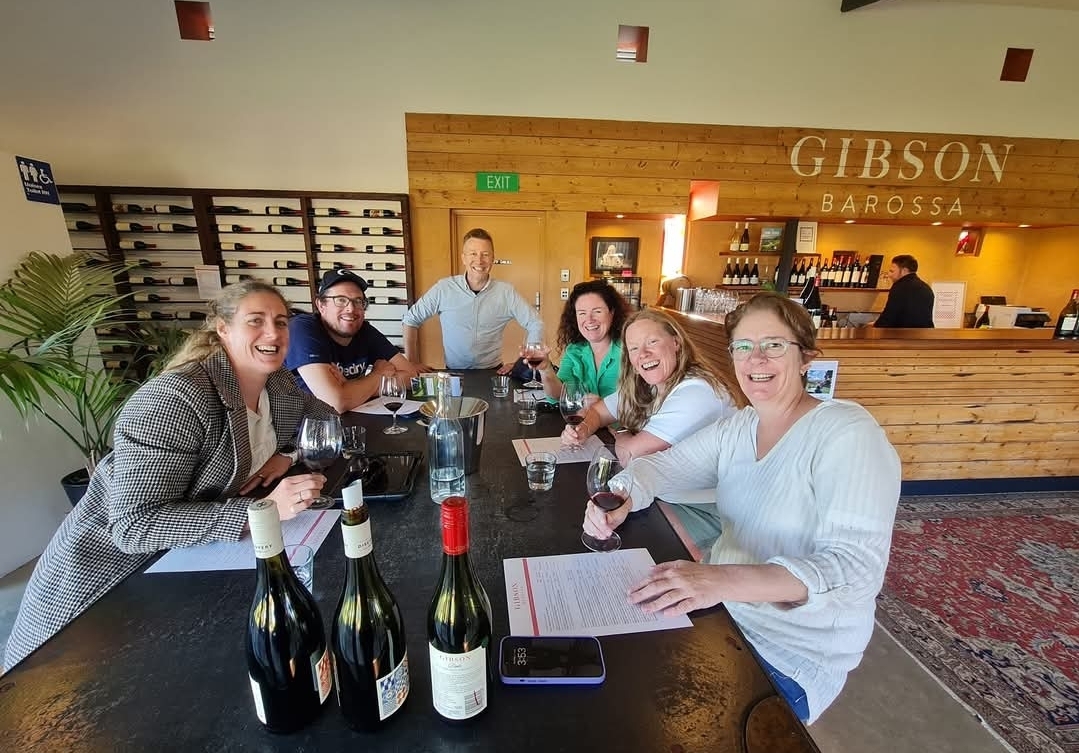
2. Gibson Wines
Rob Gibson makes wine the old-fashioned way — by hand, in small batches, from old vines. His cellar door on Willows Road is one of the most relaxed in the Barossa. No pretension, just excellent wine and genuine conversation.
Insider tip: The “Dirtman” Shiraz is their flagship, sourced from 80+ year old vines. It regularly gets 95+ point reviews but costs a fraction of comparable wines.
3. First Drop Wines
Matt Gant and John Retsas started First Drop as a weekend project. Now they’re making some of the most exciting wines in the region. Their cellar door on Barossa Valley Way has a laid-back, almost pub-like atmosphere.
Insider tip: Try the “Mother’s Ruin” Shiraz if it’s available — small batch, usually sells out quickly.
4. Izway Wines
Craig and Jacinta Isbel run this tiny operation from their property near Vine Vale. Craig is often the one pouring your tasting, and he’ll happily walk you through the vineyard. The wines are precise, elegant, and completely different from the big, bold Barossa style most people expect.
Insider tip: Visit on a weekday when Craig has more time to chat. His Grenache is exceptional.
5. Lambert Estate
A family winery on Long Gully Road near Angaston. The Lambert family have been farming in the Barossa for over six generations. Their cellar door sits on a hill with some of the best views in the valley.
Insider tip: The view from their outdoor tasting area is worth the visit alone. Pair it with their estate Shiraz.
6. Cooper Burns Wines
A small producer making wines from old vine fruit in a very traditional Barossa style. The cellar door experience is intimate and unhurried — exactly what a wine tasting should be.
Insider tip: Their fortified wines are exceptional and often overlooked. Ask for a taste if they’re not on the standard list.
7. Yelland & Papps
Susan Yelland and Michael Papps make wines from estate-grown fruit in their Nuriootpa vineyard. The wines lean towards elegance rather than power, which makes them stand out in Barossa. Their “Second Take” range offers incredible value.
Insider tip: Ask about their Vermentino — an unusual variety for the Barossa that they do brilliantly.
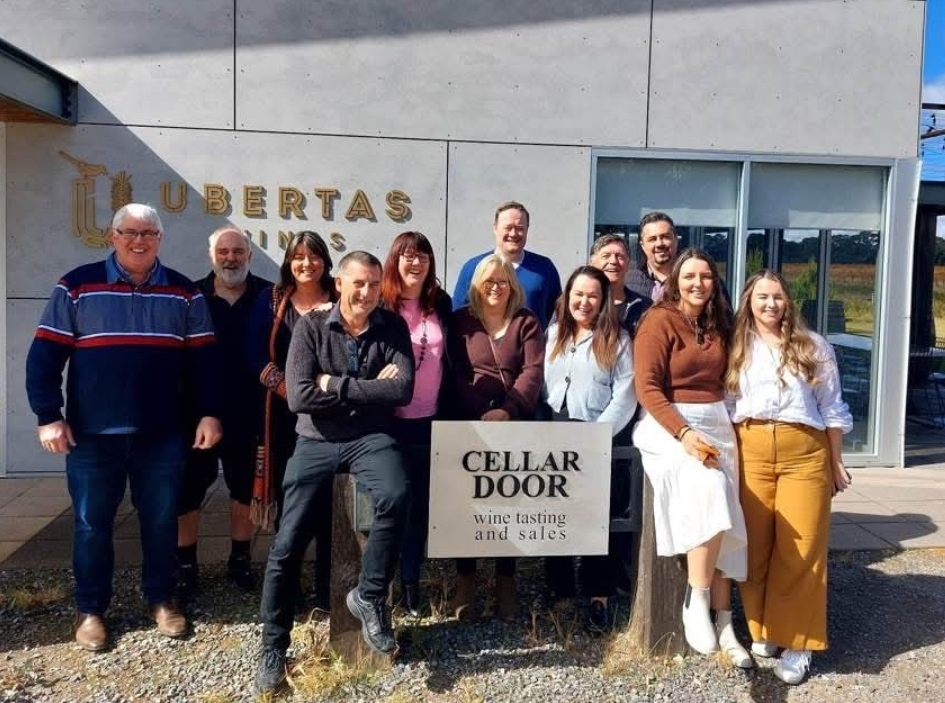
8. Ubertas Wines
Named after the Latin word for “fruitful abundance,” Ubertas is a small family operation making wines from old vine Barossa fruit. The cellar door is welcoming and the wines are generous without being over the top.
Insider tip: Their Cabernet Sauvignon is surprisingly good — most people visit Barossa for Shiraz and miss the excellent Cabernets being made by smaller producers.
Why Visit Small Wineries Instead of the Big Names?
| Big Name Wineries | Hidden Gem Wineries | |
|---|---|---|
| Who pours your tasting | Cellar door staff | Often the winemaker themselves |
| Group size | Can be crowded | Usually just you or a small group |
| Wine availability | Available in bottle shops | Many wines only sold at cellar door |
| Experience | Polished, professional | Personal, authentic |
| Tasting fees | $10-$25 per person | Often free or waived with purchase |
| Stories | Company history | Family history, personal passion |
How to Visit These Hidden Gems
Here’s the thing about hidden gem wineries — they’re hidden. Many don’t have prominent signage, some require appointments, and you need to know where you’re going.
Option 1: Self-drive. Download the Barossa Valley wine map from barossa.com and plot your route. Call ahead to check opening hours, especially for the smaller producers.
Option 2: Join a guided tour. This is what we do every day. Our Barossa Valley wine tours focus specifically on boutique and family-owned wineries. We visit four cellar doors per tour, and because we have relationships with these winemakers, you often get access and experiences that drop-in visitors don’t.
Frequently Asked Questions
Do I need to book ahead for small Barossa wineries?
For the smallest producers, yes. Some operate by appointment only or have limited opening hours. Larger boutique wineries (like Tomfoolery, First Drop) generally welcome walk-ins during cellar door hours.
Are wine tastings free at Barossa hidden gem wineries?
Many smaller wineries offer complimentary tastings, especially if you’re interested in purchasing. Some charge $5-$10 which is usually waived with a bottle purchase.
How many hidden gem wineries can I visit in one day?
We recommend four to five. Any more and your palate gets fatigued and you can’t properly appreciate each wine. Quality over quantity.
What’s the best time to visit small Barossa wineries?
Weekdays are best for a personal experience — the winemaker is more likely to be available and the cellar door won’t be busy. Vintage season (February-April) is exciting because you might see winemaking in action, but cellar doors can be quieter as producers are busy with harvest.
Ready to Discover the Real Barossa?
We take small groups to four boutique wineries every day, with lunch included. Our guides live in the Barossa and know these winemakers by name. No tourist traps, no crowded cellar doors — just great wine, great people, and a relaxed day out.
Book your tour or call us on 0499 107 107 to reserve your spot.
Daily tours from $160 per person. Lunch included. Hotel pickup available from 8 locations across the Barossa.